
Due to increasing energy costs and growing environmental concerns, the cement industry has been under continuous pressure to reduce both thermal and electrical energy consumption. Improvements in manufacturing technology can contribute to this objective, but an equally important route is the increased utilization of industrial by-products and supplementary cementitious materials in blended cements. Mehta emphasized the importance of technological development and environmental performance in modern concrete technology [1]. More recent work on low-carbon binders has likewise demonstrated that reducing the clinker fraction is an important strategy for lowering the environmental burden associated with cement production [6]. Broader sustainability assessments have also identified the replacement of Portland cement with suitable supplementary cementitious materials as one of the practical pathways toward more sustainable concrete [9]. Reviews of supplementary cementitious materials further show that the use of industrial residues can improve selected durability and mechanical properties while reducing the demand for conventional cementitious constituents [7].
Throughout this paper, the conventional cement-chemistry abbreviations are used where appropriate: C denotes CaO, S denotes SiO\(_2\), \(\mathrm{\bar S}\) denotes SO\(_3\), CH denotes Ca(OH)\(_2\), and H denotes H\(_2\)O. Large quantities of fly ash and granulated blast furnace slag are generated worldwide, although only part of these materials is beneficially used in cementitious systems. Their utilization is influenced by regional availability, fineness, glass content, and chemical composition. The fundamental characteristics and reaction mechanisms of pozzolanic materials, including fly ash and silica fume, are summarized comprehensively by McCarthy and Dyer [2]. Wang et al. demonstrated that fly ash, GBFS, and silica fume can substantially modify mechanical properties, pore structure, and water absorption when used as supplementary cementitious materials [3]. Silica fume is an ultrafine, highly amorphous silicon-rich by-product formed during the production of silicon and ferrosilicon alloys; its high specific surface area and pozzolanic activity strongly influence water demand and hydration behavior [8]. Classical hydration studies also showed that silica fume affects early Portland cement hydration and consumes calcium hydroxide through pozzolanic reaction [10].
The performance of blended cement depends not only on the presence of supplementary materials but also on their chemical and physical characteristics. Slag chemistry has a measurable influence on the reactivity and properties of slag-rich cement pastes [4]. Ternary blended systems can also modify fresh properties and setting behavior, as demonstrated in cemented paste backfill mixtures containing slag and other mineral additions [5]. Recent investigations of slag-containing cementitious systems have further confirmed that differences in cement chemistry and slag content affect hydration and strength development [11]. The mechanical activation of industrial waste powders can enhance their pozzolanic reactivity and thereby improve their suitability as supplementary cementitious constituents [12]. Comparative studies of alternative ash materials have similarly shown that differences in reactivity can produce substantial changes in hydration, pore structure, and compressive strength [13].
The use of industrial by-products in cementitious materials is also important from the perspective of durability, hydration kinetics, and long-term performance. Binary slag-based blended cements have been shown to provide useful mechanical performance when the replacement level and composition are properly controlled [14]. Previous work on fly ash and silica-fume blended cement pastes demonstrated that these additions can alter consistency, setting, density, porosity, free-lime content, and strength development [15]. The long-term response of other pozzolanic waste materials, including walnut shell ash, also confirms that the balance between filler action, hydration, and pozzolanic reaction determines the resulting physical and mechanical characteristics [16]. High-volume fly ash systems provide additional evidence that hydration behavior and strength evolution are closely linked to the type and proportion of supplementary cementitious materials [17].
When siliceous by-products such as GBFS, PFA, and SF are mixed with Portland cement and allowed to hydrate, their reactive silica and alumina can interact with calcium-bearing hydration products and contribute to additional hydrate formation. The pozzolanic potential of finely ground glass-derived materials illustrates how reactive amorphous phases can participate in hydration and improve cement-paste development [18]. Alkali-activated slag research likewise demonstrates the strong dependence of binder reaction kinetics on the chemistry of the precursor and activator system [19]. Studies on modified supplementary cementitious materials have shown that additional reaction products can improve hydration and later-age strength when the chemical environment is favorable [20]. Investigations of waste-based alkali-activated binders further illustrate the broader potential for combining industrial residues in low-clinker or clinker-free systems [21]. The use of fly ash, slag, and silica fume in geopolymer matrices also confirms the complementary roles of these aluminosilicate materials in microstructural development [22]. Earlier durability work on fly ash and silica-fume cement pastes demonstrated that pozzolanic reaction can also improve resistance to aggressive sulfate and chloride environments [23]. Natural pozzolans combined with GBFS provide another example of how blended compositions can reduce heat evolution while maintaining useful cementitious properties [24]. More recent research on industrial-waste substitution indicates that particle-surface properties and interparticle interactions can substantially influence the behavior of cement pastes [25].
Accordingly, the objective of the present work is to investigate the influence of combinations of GBFS, PFA, and SF on selected properties of Portland cement pastes. The study does not claim a new constituent or a new hydration mechanism. Its specific contribution is a controlled comparison, at a constant total replacement level of 21 mass%, among three binary blends and an equal-proportion ternary blend. The mixtures are evaluated under the same experimental program in terms of fresh properties, hydration-related parameters, density, porosity, mechanical performance, thermal behavior, and microstructure. This design permits the effects of blend composition to be compared without simultaneously changing the overall replacement percentage.
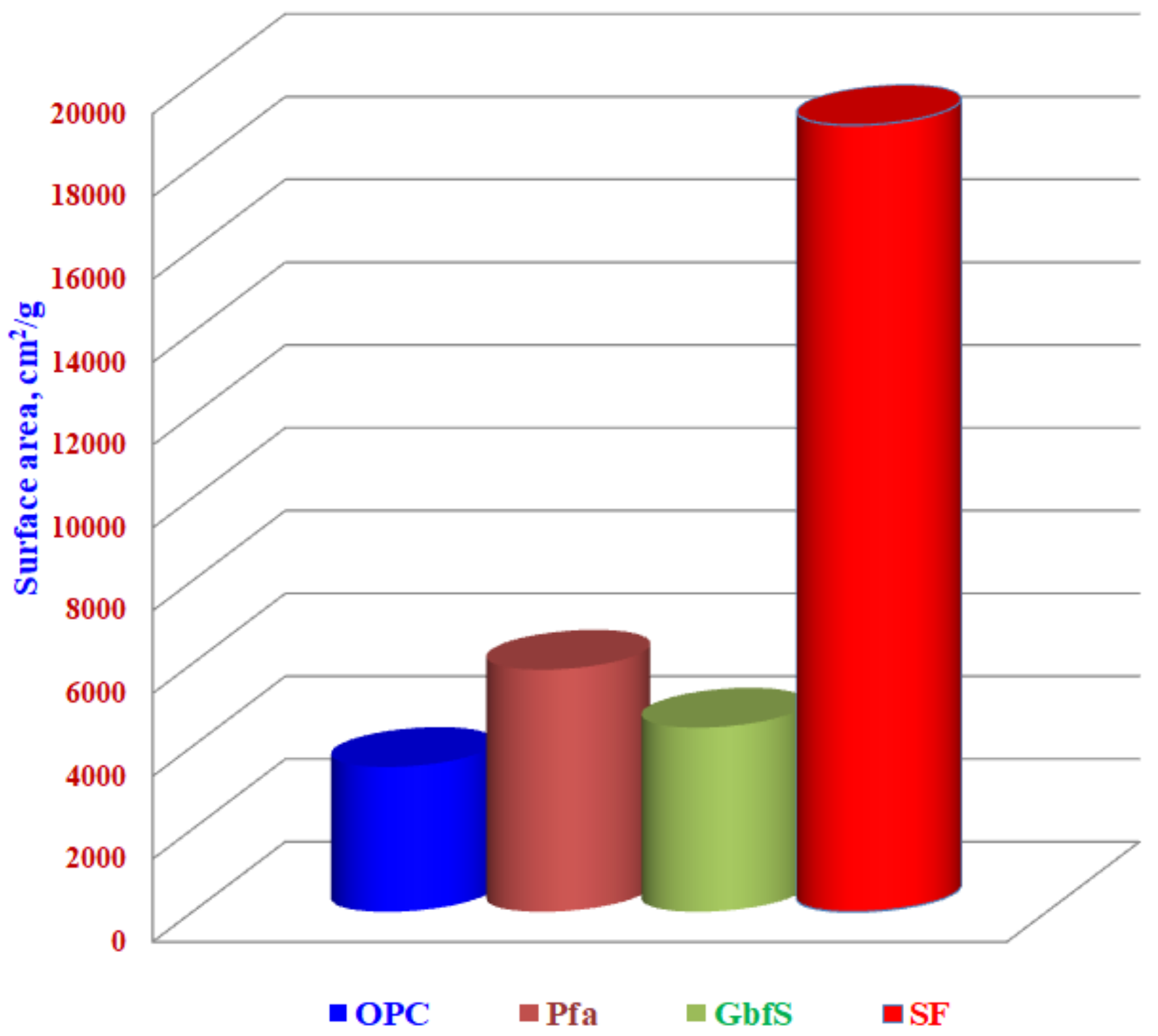
The raw materials used in this study were ordinary Portland cement (OPC), granulated blast furnace slag (GBFS), pulverized fly ash (PFA), and silica fume (SF). OPC and GBFS, with Blaine surface areas of 3500 and 4450 cm\(^2\)/g, respectively, were obtained from Tourah Portland Cement Company. The SF, with a surface area of 19,000 cm\(^2\)/g, was supplied by the Ferrosilicon Alloys Company, Edfu, Egypt. The PFA sample, with a specific surface area of 5850 cm\(^2\)/g, was obtained from the Toshki project and had previously been imported from abroad.
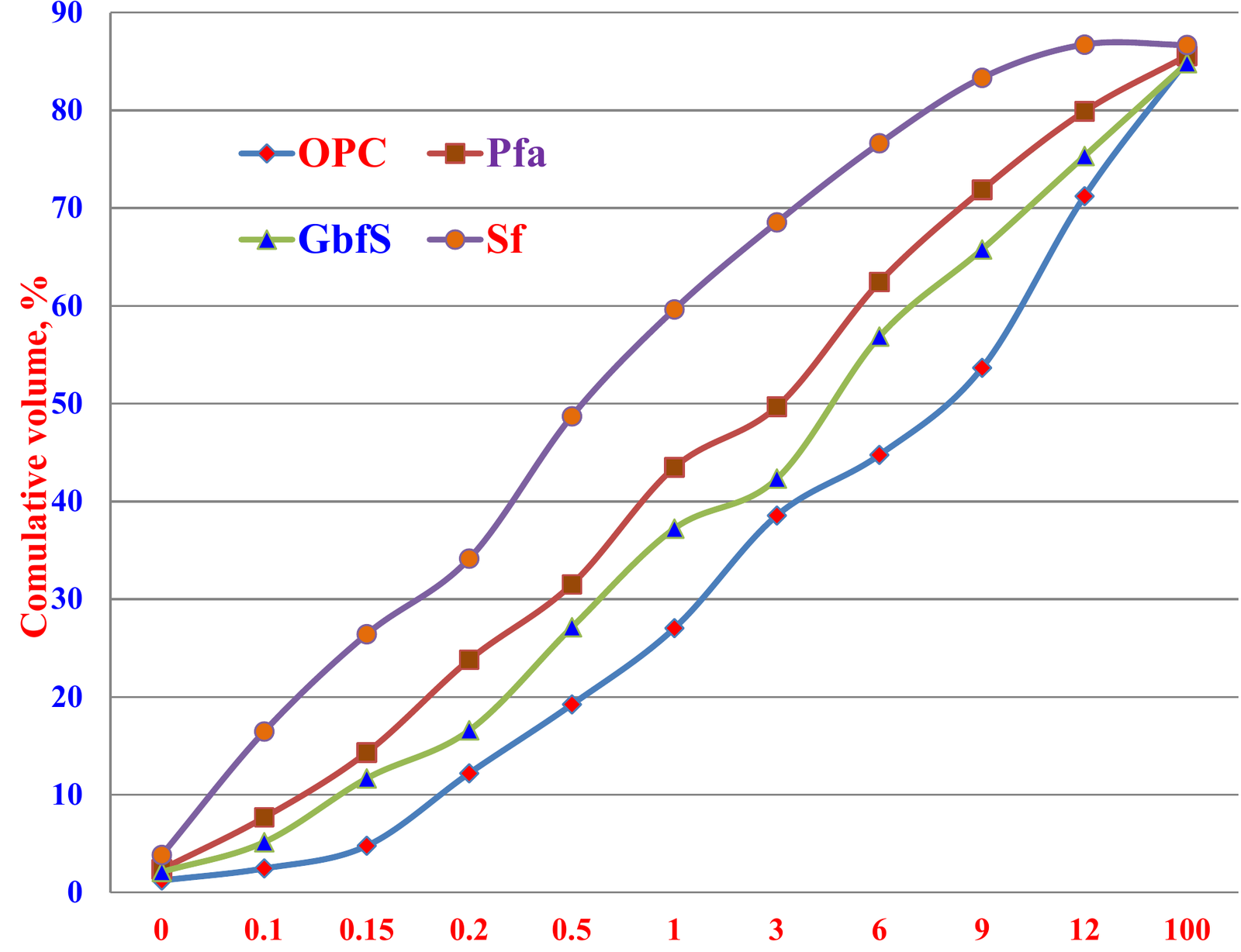
The measured fineness of the raw materials is presented in Figure 1, while their grain-size distributions are shown in Figure 2. The chemical compositions of the investigated materials are summarized in Table 1. The calculated mineralogical phase composition of OPC, obtained using the Bogue equations, is reported in Table 2. These data show the substantial differences in silica, alumina, calcium oxide, and fineness among the four starting materials and provide the compositional basis for interpreting their subsequent hydration behavior.
| Materials/Oxides | OPC | GBFS | PFA | SF |
|---|---|---|---|---|
| LOI | 0.51 | 0.43 | 1.96 | 0.93 |
| SiO\(_2\) | 22.14 | 38.21 | 49.49 | 93.36 |
| Al\(_2\)O\(_3\) | 4.86 | 10.45 | 25.75 | 1.09 |
| Fe\(_2\)O\(_3\) | 4.13 | 1.27 | 9.96 | 1.26 |
| CaO | 62.32 | 37.70 | 5.81 | 1.02 |
| MgO | 2.17 | 2.05 | 2.44 | 0.45 |
| MnO | 0.36 | 3.50 | —- | —- |
| Na\(_2\)O | 0.65 | 1.61 | 1.24 | 0.07 |
| K\(_2\)O | 0.36 | 0.71 | 2.02 | 0.49 |
| SO\(_3\) | 1.89 | 3.50 | 0.54 | 0.33 |
| Blaine surface area, cm\(^2\)/g | 3500 | 4450 | 5850 | 19000 |
| Phase/Material | C\(_3\)S | \(\beta\)-C\(_2\)S | C\(_3\)A | C\(_4\)AF |
|---|---|---|---|---|
| OPC | 46.81 | 28.43 | 5.90 | 12.56 |
The blending proportions of the cement systems are listed in Table 3. In all blended mixtures, the combined content of GBFS, PFA, and/or SF was fixed at 21 mass%, replacing an equivalent mass of OPC. The constant total replacement level was adopted so that differences among M1–M4 would primarily reflect the composition of the supplementary cementitious blend rather than changes in the total degree of cement replacement. No claim is made that 21 mass% represents a universal optimum replacement level. The components of each blend were mixed in a porcelain ball mill for two hours using three grinding balls to promote homogeneity.
| Mix | OPC | GBFS | PFA | SF |
|---|---|---|---|---|
| M\(_0\) | 100 | —– | —– | —– |
| M\(_1\) | 79 | 10.5 | 10.5 | —– |
| M\(_2\) | 79 | 10.5 | —– | 10.5 |
| M\(_3\) | 79 | —– | 10.5 | 10.5 |
| M\(_4\) | 79 | 7.0 | 7.0 | 7.0 |
The standard water of consistency was determined using the Vicat procedure described in ASTM C187 [26]. Initial and final setting times were measured using the Vicat needle procedure specified in ASTM C191 [27]. Cement pastes were prepared using the predetermined consistency water, placed in one-inch cubic stainless-steel molds, vibrated manually for two minutes, and then vibrated mechanically for a further two minutes. The molds were stored in a humidity chamber for 24 h. The specimens were subsequently demolded and cured in water until testing at 1, 3, 7, 28, and 90 days.
Total porosity, \(\varepsilon\), at each testing age was calculated from
where 0.99 is the specific volume of free water, \(W_e\) is the free or evaporable water content, \(d_p\) is the bulk density in g/cm\(^3\), and \(W_t\) is the total water content, equal to the sum of evaporable water \(W_e\) and combined water \(W_n\). ASTM C642 provides a standard framework for density, absorption, and void measurements in hardened cementitious materials [28]. The interpretation of hydration and pore evolution was also informed by established work on slag reaction mechanisms [29]. Procedures previously used for Portland cement pastes containing ceramic sanitary-ware waste were consulted for comparable hydration and physical-property measurements [30]. Related curing studies of ceramic-waste-modified cement pastes provided additional methodological context for changes in density and porosity with hydration [31].
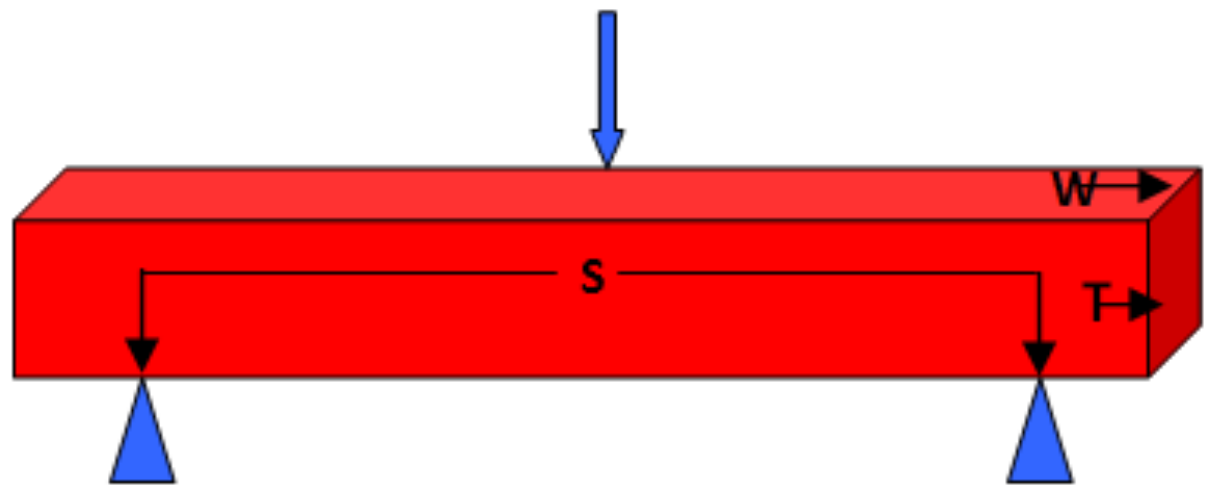
Broken fragments obtained after mechanical testing were used for subsequent hydration-related measurements. Flexural strength was measured using the three-point arrangement illustrated in Figure 3. The general mechanical-testing approach was consistent with established work on blended Portland cement pastes [32]. The flexural-strength procedure was considered with reference to ASTM C348 [33], while compressive-strength testing was considered with reference to ASTM C109/C109M [34]. After testing, selected broken specimens were placed in a 1:1 methanol–acetone mixture to arrest hydration before subsequent analysis. Chemically combined water and free-lime contents were then determined as hydration indicators. The available experimental record does not provide replicate counts or dispersion statistics for every fresh and hardened property; consequently, the comparisons reported below are interpreted descriptively rather than as formal tests of statistical significance.
The phase development of the hydrated pastes was further examined using differential thermal analysis (DTA), thermogravimetry (TG), and scanning electron microscopy (SEM). DTA and TG measurements were performed using a NETZSCH Gerätebau GmbH instrument (Bestell No. 348472c) at a heating rate of 10\(^{\circ}\)C/min up to 1000\(^{\circ}\)C. SEM observations were conducted using a JEOL JSM-T120 microscope. The fractured surfaces were coated with a thin layer of gold before observation with a secondary-electron beam. The instrument descriptions and operating conditions reported here are those available in the experimental record.
The surface area, morphology, particle-size distribution, and amorphous or crystalline character of supplementary cementitious materials are important factors governing their behavior in fresh and hardened cement systems. Greater fineness generally increases the available reaction surface but can also increase water demand, particularly for ultrafine materials such as silica fume. Modern understanding of Portland-cement hydration confirms that both physical filler effects and chemical reactivity can modify hydration kinetics and microstructural development [36]. The results presented below are therefore interpreted in relation to the differences in fineness and chemical composition reported in Figures 1 and 2 and Table 1.
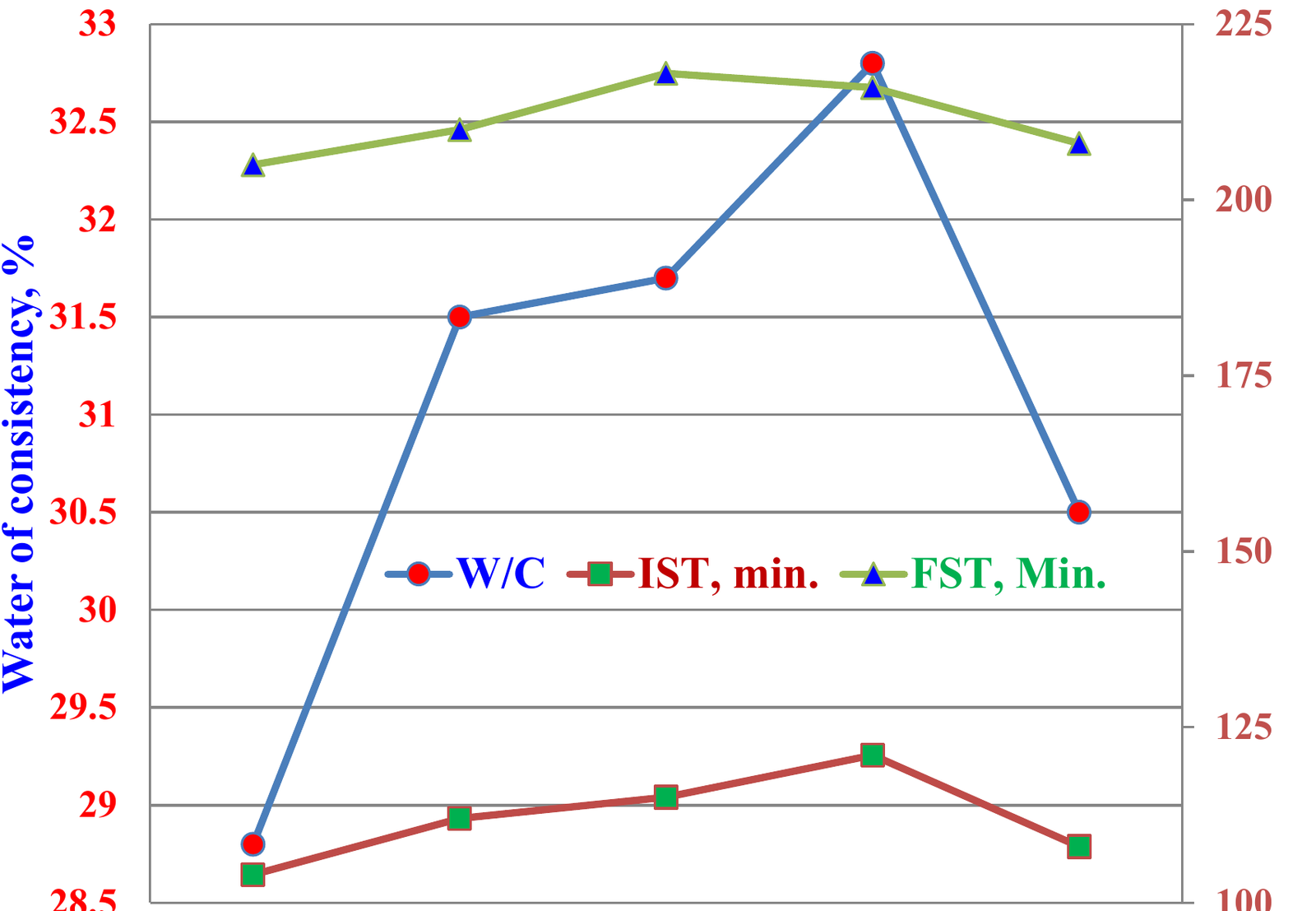
Figure 4 presents the standard water of consistency and the initial and final setting times of the plain OPC paste (M0) and the blended pastes M1–M4. The water requirement increased after the incorporation of GBFS with PFA (M1), GBFS with SF (M2), PFA with SF (M3), and the ternary GBFS–PFA–SF combination (M4). This behavior is consistent with the greater overall fineness of the blended systems and particularly with the very high specific surface area of SF. Siddique reported that fly ash can substantially influence the fresh behavior and workability of cementitious systems [37]. Neville also emphasized the importance of particle characteristics, water demand, and supplementary constituents in controlling the consistency and setting behavior of cement-based materials [38]. The rheological response of slag- and fly-ash-containing paste systems is likewise strongly dependent on water content and binder composition [39].
Among the blended formulations, M3 exhibited the highest water of consistency. This response is reasonably associated with the simultaneous presence of PFA and the highly finely divided SF. In contrast, M4 required less water than M1, M2, and M3, although it still contained all three supplementary materials. Within the present mixture design, this outcome can be related to the smaller individual fractions of PFA and SF in M4 and to the lower fineness of GBFS relative to those two materials. The result should therefore be interpreted as specific to the fixed 21 mass% replacement level used here rather than as a general rule for all ternary blended cements.
The setting-time results in Figure 4 broadly followed the same pattern as the water-demand results. The initial setting time was generally prolonged in the blended systems, while M4 showed the shortest initial setting time among the blended compositions. M1 and M2 exhibited comparatively longer final setting times, which is consistent with the slower reaction of the GBFS-containing combinations at early ages. The PFA–SF blend M3 showed a shorter final setting time than the GBFS-containing binary blends, reflecting the greater early reactivity of SF. The ternary M4 blend also showed a relatively rapid final set, suggesting that the balance among the three additions can influence both water demand and early hydration kinetics.
The chemically combined water contents of M0–M4 as a function of curing time are presented in Figure 5. For all mixtures, the combined water content increased progressively up to 90 days, reflecting the continued formation of hydration products. In OPC, the hydration of clinker phases produces C–S–H and other hydrates, while supplementary cementitious materials can contribute additional reaction products through secondary reactions. Previous work on fly ash and silica-fume blended systems demonstrated comparable increases in chemically bound water as hydration proceeded [15]. High-volume fly ash systems have also shown that combined hydration and secondary reaction can substantially modify the amount and nature of the hydration products [17].
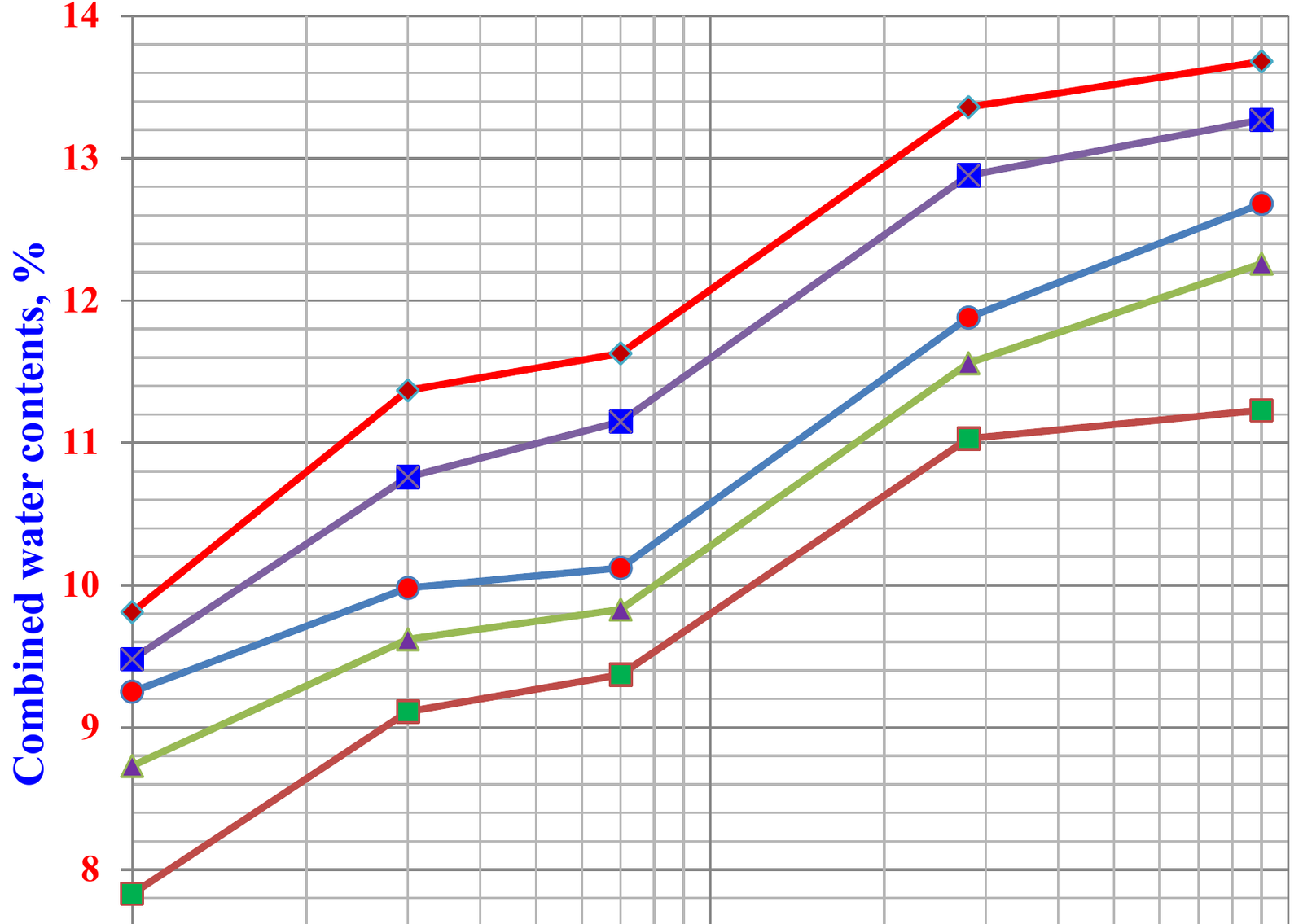
M4 exhibited the highest combined-water content, whereas M1 showed the lowest values at the reported ages. The lower combined-water content of M1 is consistent with the comparatively slow early reaction of its GBFS–PFA combination. By contrast, the higher values for M3 and M4 are consistent with the presence of SF and its greater pozzolanic activity under the investigated conditions. Microstructural studies of supplementary cementitious systems similarly show that finely divided reactive materials can promote additional hydrate formation and pore refinement [40]. The results therefore indicate that, at the same total replacement level, the type and relative amount of the supplementary constituents materially affected hydration development.
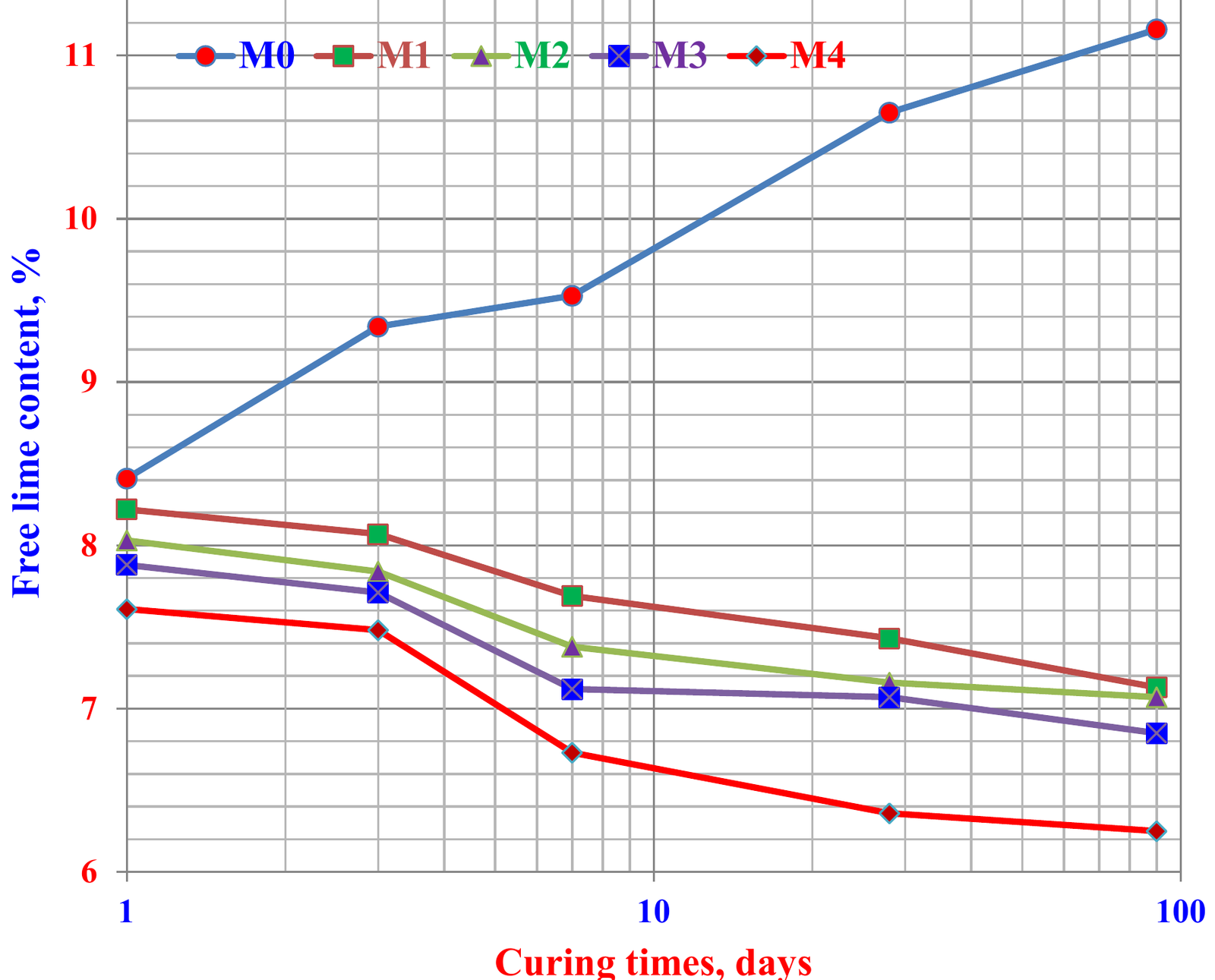
Figure 6 shows the free-lime content of the OPC control and the blended cement pastes. The free-lime content of M0 increased with curing time, which is consistent with the progressive hydration of the calcium silicate phases. In the blended pastes, however, the measured free-lime contents decreased gradually with curing age. This difference is consistent with the consumption of Ca(OH)\(_2\) by secondary pozzolanic reactions. Classical studies of Portland cement–silica fume systems directly demonstrated a reduction in calcium hydroxide as silica fume reacted during hydration [10]. Fly-ash-containing cement clinker and blended systems likewise show the importance of silica- and alumina-rich phases in controlling free-lime consumption and subsequent hydration [41].
M1, containing GBFS and PFA, retained the highest free-lime values among the blended pastes. M2 showed lower values because SF replaced PFA in the binary blend, while M4 gave the lowest free-lime contents throughout the curing period. The durability behavior of fly ash and silica-fume cement systems has previously been linked to sustained pozzolanic reaction and the associated modification of calcium-bearing phases [23]. The trend in Figure 6 is also consistent with the combined-water results in Figure 5: mixtures showing stronger evidence of secondary reaction tended to show greater combined-water development and lower residual free lime.
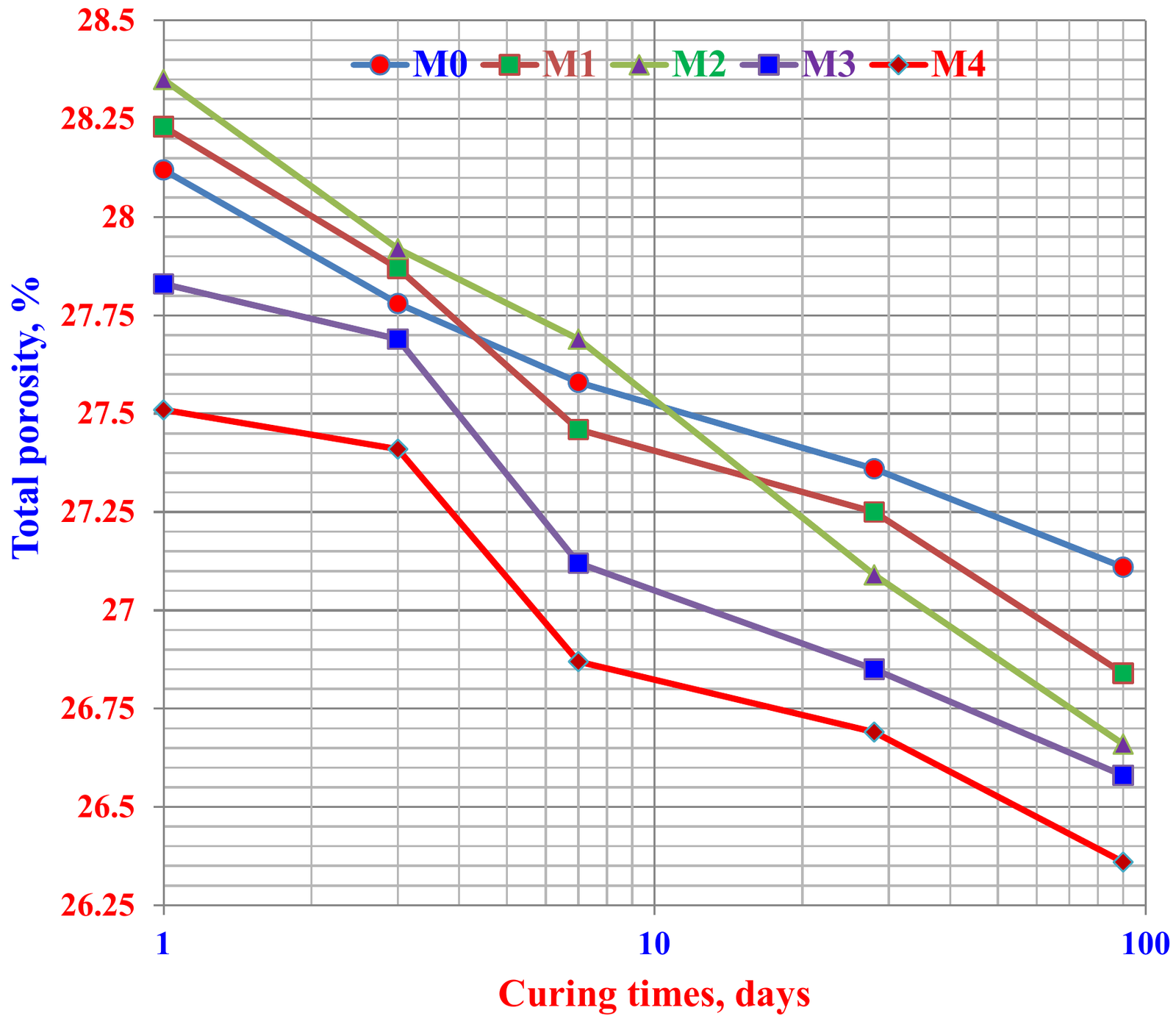
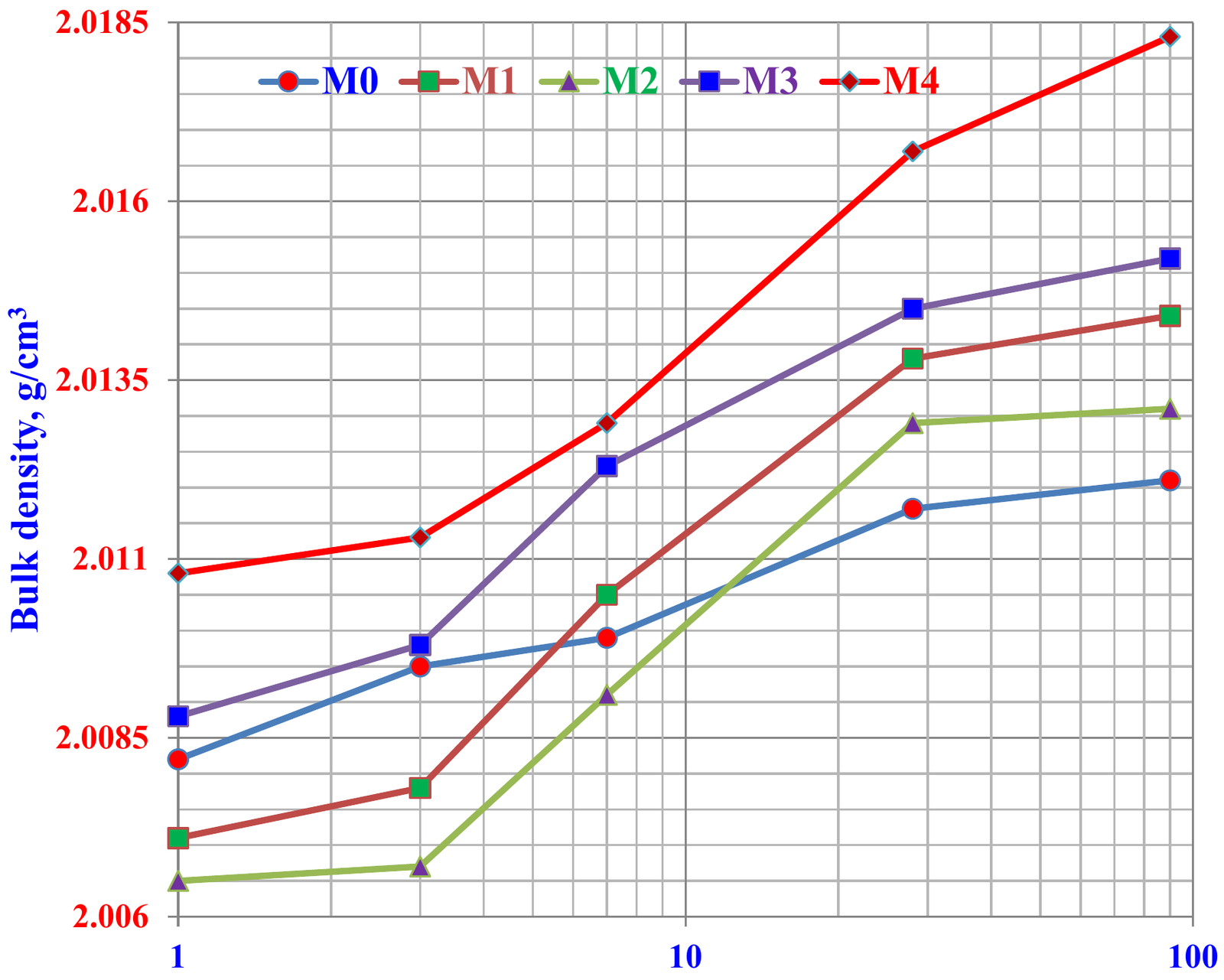
The total porosity and bulk density results are presented in Figures 7 and 8, respectively. For all mixtures, bulk density increased with curing time, whereas total porosity decreased. This behavior is attributable to continued hydration, precipitation of hydration products within the available pore space, and the progressive densification of the cementitious matrix. Studies involving industrial-waste substitution have shown that particle interactions and surface properties can influence packing, rheology, and the subsequent development of hardened paste structure [25]. Comparable investigations of waste-modified cement pastes have also reported inverse relationships between bulk density and porosity as hydration progresses [31].
At early ages up to 7 days, M1 and M2 exhibited lower bulk density and higher porosity than the OPC control. At later ages, the trend was reversed, with the blended systems showing denser matrices and reduced pore volume. This delayed improvement is consistent with the slower early reaction of GBFS-containing blends and the increasing contribution of secondary hydration at later ages. The behavior agrees with observations in other blended Portland cement systems in which additions improve density and strength after sufficient curing [32].
M3 and M4 showed higher density and lower total porosity than M0 over the reported curing periods. The presence of SF in these mixtures can contribute through both filler action and pozzolanic reaction. Banana-leaf-ash blended cement pastes provide another example in which pozzolanic reaction, reduced free lime, increased density, and lower porosity develop together during curing [35]. Within the present experimental matrix, M4 produced the most favorable combined response in terms of bulk density and total porosity, indicating that the equal-proportion ternary combination was effective at the investigated total replacement level.
Figures 9 and 10 present the flexural and compressive strengths, respectively, of M0–M4 as functions of curing age. Both strength measures increased progressively with curing time. This increase is consistent with the continued hydration of cement phases, formation of C–S–H, filling of capillary pore space, reduction in total porosity, and increase in bulk density. The relationship between supplementary cementitious materials, pore refinement, and mechanical performance has been documented for systems containing fly ash, GBFS, and SF [3]. Comprehensive reviews similarly show that the effect of supplementary materials on strength depends on their type, fineness, replacement level, and curing duration [7].
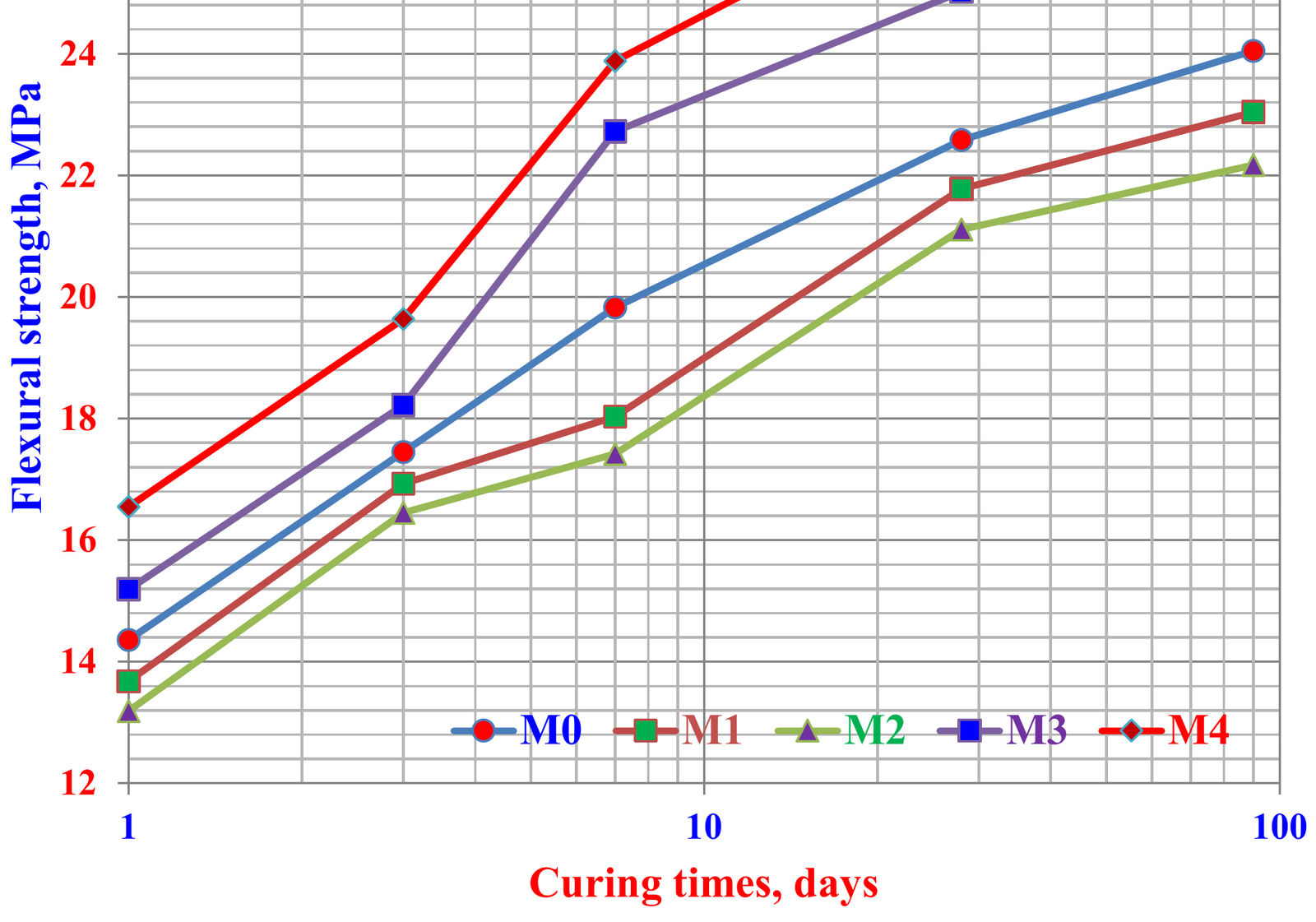
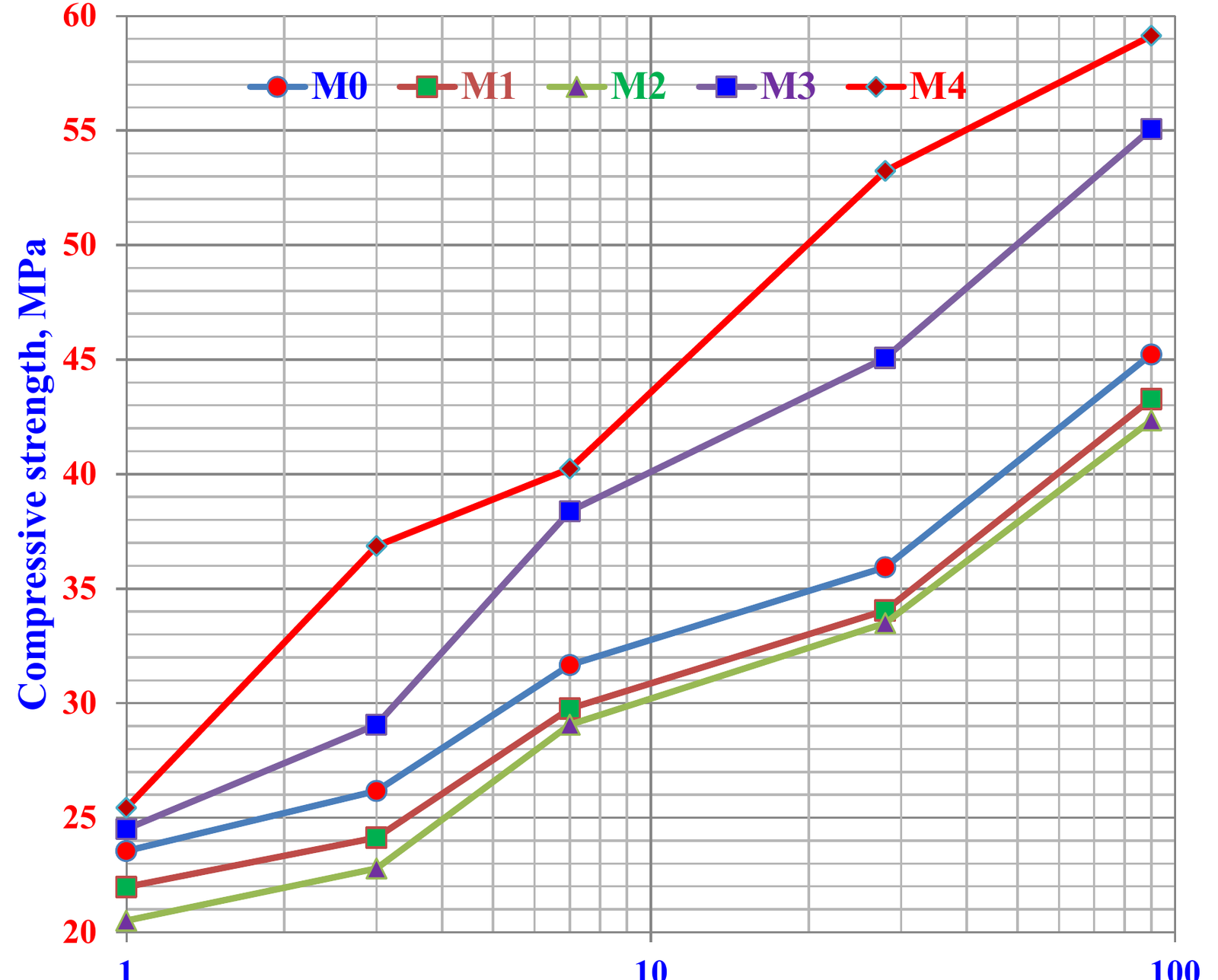
The M1 and M2 pastes developed lower flexural and compressive strengths than M0 at the reported ages, although their strengths increased continuously with curing. This behavior indicates that the hydration and secondary reactions in these binary systems were not sufficient to exceed the OPC control under the present proportions and curing conditions. Comparable long-term studies of pozzolanic waste materials demonstrate that beneficial effects may develop gradually and remain strongly dependent on replacement level [16]. The formation of additional calcium silicate and aluminosilicate hydrates can nevertheless contribute to later matrix development in blended systems [19].
The principal oxide constituents of PFA, particularly SiO\(_2\) and Al\(_2\)O\(_3\), can participate in reactions with calcium hydroxide and contribute to aluminosilicate-containing hydrates. A simplified representation used in the present interpretation is
Likewise, reactive constituents of GBFS can participate in the formation of C–S–H and aluminate-bearing hydration products. Related reaction-kinetics studies of slag-containing binders support the importance of secondary reaction products in strength development [20]. The long-established hydrothermal study of granulated blast furnace slag also confirms the strong reactivity of slag in calcium-bearing environments and the formation of calcium silicate hydrate and hydrogarnet-type products [29].
The M3 blend, containing PFA and SF, developed higher flexural and compressive strengths than M1, M2, and the OPC control at the reported ages. This result is consistent with the high pozzolanic activity and filler effect of SF. Studies on glass-derived pozzolanic powders likewise demonstrate that highly reactive siliceous additions can improve strength and microstructure when used at suitable replacement levels [18]. The combination of SF with other aluminosilicate materials can therefore produce a more favorable balance between early particle packing and continuing secondary hydration.
M4, containing equal amounts of GBFS, PFA, and SF, produced the highest overall flexural and compressive strengths among the investigated formulations. The observed improvement can be related to the combined filler effect and complementary reaction characteristics of the three additions. Research on fiber-reinforced geopolymer systems containing fly ash, slag, and silica fume further illustrates the capacity of these three precursor types to form mechanically effective aluminosilicate matrices [22]. The present results should nevertheless be interpreted within the tested 21 mass% total replacement level; they do not establish that the same proportions are optimal for all cements, water-to-binder ratios, curing regimes, or concrete applications.
The measured water demand of the SF-containing systems, shown in Figure 4, also indicates that increasing SF content cannot be considered beneficial without qualification. Its high surface area can raise mixing-water requirements and alter workability. This trade-off is consistent with the established behavior of silica-fume concrete [8]. The present study did not include an economic analysis, and therefore the results cannot be used to identify an economic optimum or a universal upper limit for SF dosage.
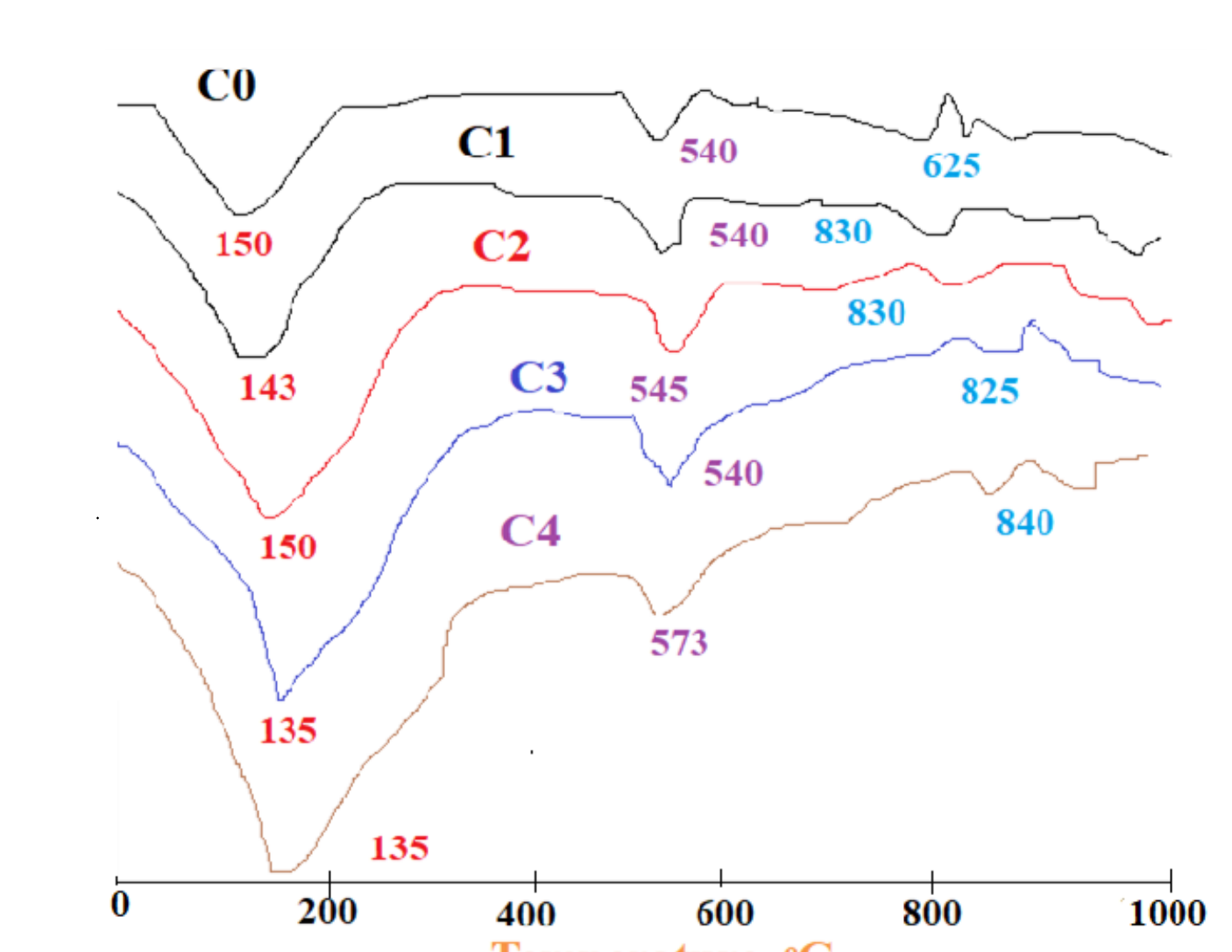
Figure 11 presents the DTA thermograms of the 28-day hydrated OPC and blended cement pastes. The broad endothermic event in the region of approximately 125–130\(^{\circ}\)C is associated principally with dehydration of C–S–H-related phases. The smaller event at approximately 205–210\(^{\circ}\)C is attributed to aluminate- or sulfoaluminate-related hydrates, while the higher-temperature events at approximately 535–545\(^{\circ}\)C and 820–840\(^{\circ}\)C are associated with decomposition of Ca(OH)\(_2\) and carbonates, respectively. Carbonate formation can result partly from carbonation of calcium hydroxide during sample handling and exposure. Contemporary understanding of Portland-cement hydration supports the interpretation of thermal features in terms of evolving C–S–H, aluminate phases, and calcium hydroxide [36].
The M4 thermogram shows the strongest hydrate-related response and the weakest free-lime-related response among the reported mixtures. The reduction of the Ca(OH)\(_2\) feature after incorporation of supplementary cementitious materials is consistent with secondary reaction. The SF-containing M3 and M4 pastes also exhibit smaller calcium-hydroxide-related peaks than the GBFS–PFA-rich systems, which is consistent with the high reactivity of SF described in established pozzolanic-material literature [2].
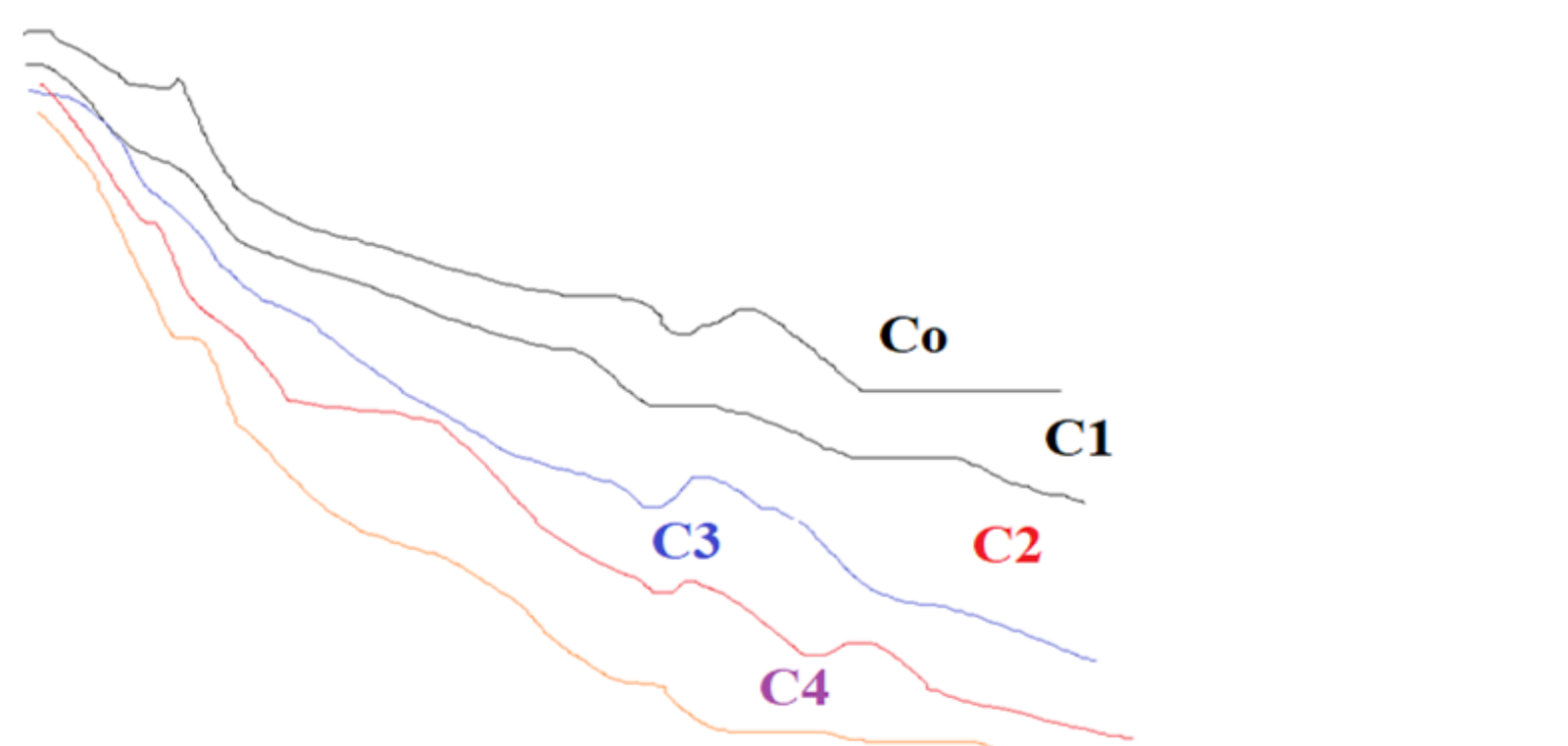
The thermogravimetric results are shown in Figure 12, while the corresponding reported weight-loss values are summarized in Table 4. The hydrate-associated weight loss increased in M3 and M4, whereas the loss associated with Ca(OH)\(_2\) decomposition decreased in the blended systems. M4 exhibited the lowest reported calcium-hydroxide-related loss and the largest hydrate-related loss. These results are consistent with the combined-water and free-lime measurements and support the interpretation that the ternary blend promoted additional hydrate development under the investigated conditions. The carbonate-related values did not follow a monotonic trend, which is reasonable because carbonation is sensitive to handling history, exposure, pore structure, and the amount of available calcium-bearing phases.
| Mix | Loss due to hydrates | Loss due to Ca(OH)\(_2\) | CO\(_3\)-related loss |
|---|---|---|---|
| M\(_0\) | 14.30 | 2.00 | 2.40 |
| M\(_1\) | 14.50 | 1.90 | 2.40 |
| M\(_2\) | 15.80 | 1.90 | 2.30 |
| M\(_3\) | 16.80 | 1.30 | 2.40 |
| M\(_4\) | 18.90 | 0.80 | 2.90 |
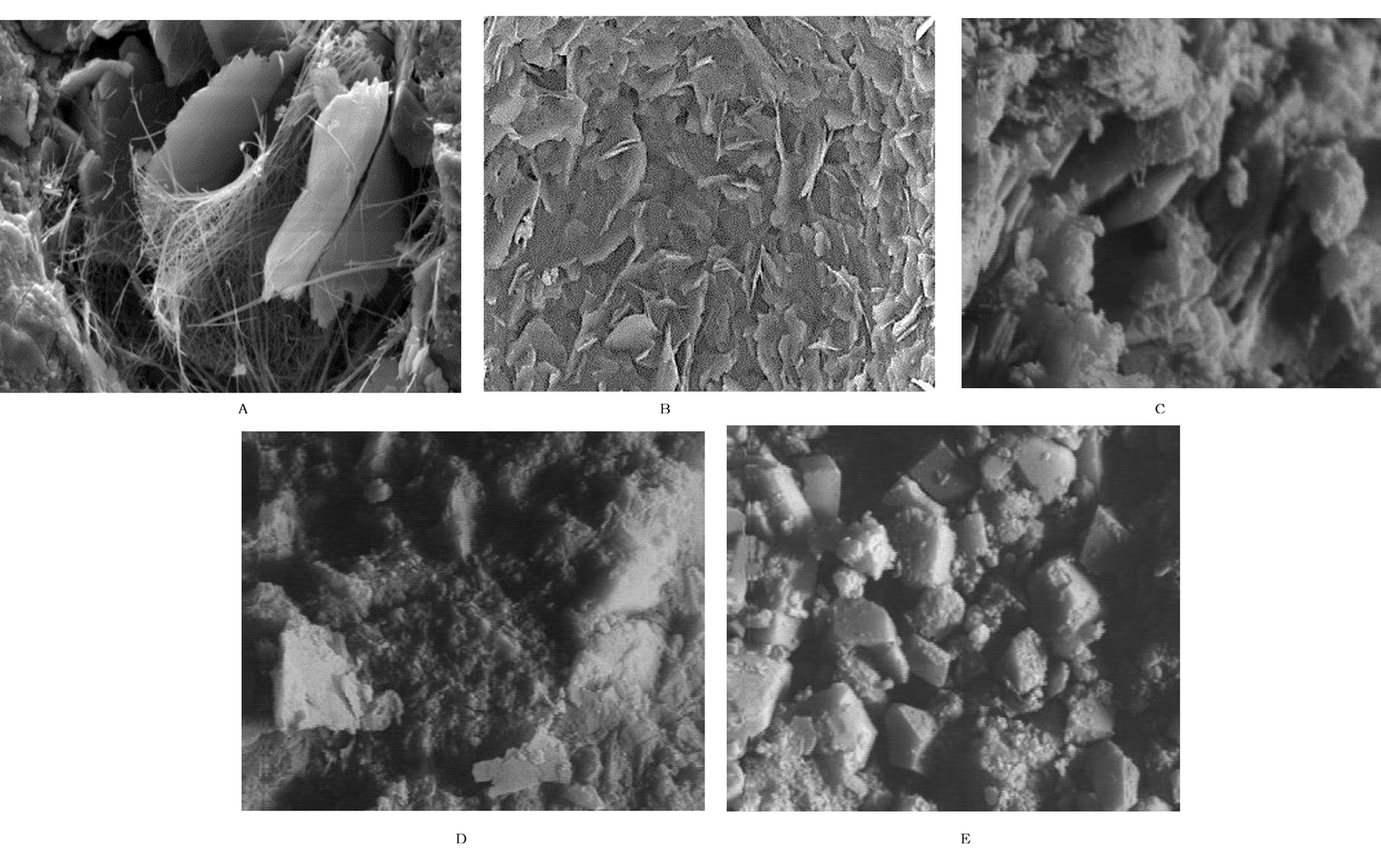
The SEM micrographs of the hydrated OPC paste and blended composites after the reported curing period are presented in Figure 13. In Figure 13(A), the OPC matrix contains poorly crystalline C–S–H together with comparatively large crystalline aggregates attributable to portlandite. Needle-like hydration products and carbonate-containing regions are also visible. Comparable microstructural observations have been reported for waste-modified Portland cement pastes, where the morphology and compactness of the matrix evolve as hydration progresses [30].
The micrographs in Figure 13(B–E) show broadly similar categories of hydration products, but with differences in abundance, morphology, and apparent compactness. These differences are expected because all formulations remain Portland-cement-based systems but contain supplementary materials with substantially different chemical compositions and fineness. The M4 microstructure shows a comparatively dense hydrate assemblage, consistent with its higher combined-water content, lower free-lime content, lower porosity, higher density, and improved strength. Similar relationships between curing, hydrate formation, and microstructural densification have been observed in other blended cement systems [31]. The microstructural observations therefore provide qualitative support for the trends obtained from the physical, mechanical, and thermal measurements.
The experimental results demonstrate that replacing 21 mass% of OPC with binary or ternary combinations of GBFS, PFA, and SF substantially modifies the fresh and hardened properties of cement pastes. The incorporation of these supplementary materials generally increased the standard water of consistency and altered the initial and final setting times. The magnitude of these changes depended on the blend composition, with the PFA–SF binary mixture showing the highest water requirement and the equal-proportion ternary blend showing a more moderate demand among the blended systems.
Chemically combined water increased with curing time in all mixtures, whereas the free-lime content of the blended pastes generally decreased as secondary reactions proceeded. Bulk density increased and total porosity decreased with age, demonstrating progressive matrix densification. M1 and M2 showed slower early development than the OPC control, while M3 and M4 exhibited more favorable density and porosity characteristics over the reported curing periods. The mechanical results followed the same general pattern: flexural and compressive strengths increased with curing time for all mixes, M1 and M2 remained below the OPC control at the reported ages, and M3 and M4 exceeded it.
Among the formulations investigated, M4, containing 7 mass% each of GBFS, PFA, and SF, provided the most favorable overall response across the measured properties. The DTA–TG results indicated greater hydrate-related thermal response and lower calcium-hydroxide-related response in the blended pastes, particularly M4. SEM observations were also consistent with a denser hydrated structure in the ternary blend. Taken together, the results indicate that combining the three industrial by-products can provide complementary physical and chemical effects in Portland cement paste. This conclusion is limited to the raw materials, replacement level, curing conditions, and test methods used in the present investigation and should not be interpreted as establishing a universal or economic optimum composition.
Funding Information: This research article was self-sponsored.
Acknowledgments: The author gratefully acknowledges the National Research Centre, Dokki, Cairo, Egypt, for institutional support provided during the study.
Conflicts of Interest: The author declares that there are no financial or competing conflicts of interest related to this work.